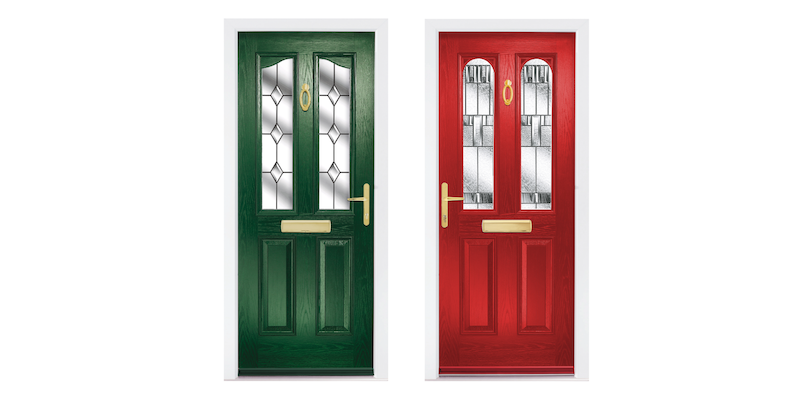
Composite Door Lock Replacement: A Comprehensive Guide
Composite doors, understood for their resilience and aesthetic appeal, are a popular option for house owners seeking to enhance both the security and the curb appeal of their residential or commercial properties. However, like any other component of a home, the locks on composite doors can wear over time or become damaged, requiring replacement. This article supplies an in-depth guide on how to replace a composite door lock, ensuring that homeowners can undertake this task with confidence and efficiency.
Comprehending Composite Doors
Before diving into the replacement procedure, it's vital to understand the unique characteristics of composite doors. Composite doors are made from a combination of products, generally consisting of wood, plastic, and sometimes metal. This mix of materials offers enhanced toughness, insulation, and resistance to weathering. The locks on composite doors are frequently more robust and advanced than those on traditional wood doors, making them a vital aspect in home security.
Tools and Materials Needed
To replace a composite door lock, you will require the following tools and materials:
- New lock set: Ensure it is compatible with your composite door.
- Screwdriver set: Both flathead and Phillips.
- Drill and drill bits: For producing brand-new holes if required.
- Measuring tape: To determine the existing lock and guarantee the new one fits.
- Pencil: For marking measurements and drilling points.
- Sculpt: For expanding or developing new holes.
- Energy knife: For cutting any excess product.
- Lock lubricant: To ensure smooth operation of the brand-new lock.
Step-by-Step Guide to Replacing a Composite Door Lock
Prepare the Workspace
- Clear the location around the door to guarantee you have enough space to work.
- Eliminate any ornamental trim or hardware that may disrupt the replacement procedure.
Eliminate the Old Lock
- Exterior Handle: Use a screwdriver to eliminate the screws holding the exterior handle in location. Pull the handle away from the door.
- Interior Handle: Similarly, get rid of the screws from the interior handle and pull it far from the door.
- Lock Cylinder: If the old lock has a separate cylinder, eliminate the screws securing it to the door and pull it out. If it's integrated with the handle, it ought to come out with the handle.
- Latch Mechanism: Remove the screws holding the latch system in location. Slide the latch out of the door.
Procedure and Prepare for the New Lock
- Measure the Existing Holes: Use a determining tape to identify the size and position of the existing holes. This will help you pick a suitable new lock set.
- Mark the New Holes: If the brand-new lock needs different hole placements, use a pencil to mark the new positions on the door.
- Drill New Holes: Use a drill and the proper drill bits to develop new holes. For bigger holes, you may require to use a chisel to expand the existing ones.
Install the New Lock
- Latch Mechanism: Insert the brand-new latch mechanism into the door and secure it with screws.
- Lock Cylinder: If the new lock has a separate cylinder, insert it into the door and secure it with screws.
- Exterior Handle: Align the brand-new exterior handle with the holes and insert the screws. Tighten the screws to secure the handle.
- Interior Handle: Repeat the process for the interior handle, guaranteeing it aligns with the exterior handle and the latch system.
- Evaluate the Lock: Turn the manages and test the lock to guarantee it operates smoothly. If Repair My Windows And Doors feels stiff, use a small quantity of lock lubricant.
Final Touches
- Reattach Trim and Hardware: Replace any decorative trim or hardware that was removed.
- Check the Door: Open and close the door numerous times to guarantee the brand-new lock is functioning correctly and that the door aligns appropriately in the frame.
FAQs
Q: Can I change a composite door lock myself, or should I work with a professional?A: While replacing a composite door lock is a job that numerous property owners can undertake with the right tools and assistance, it can be more intricate than changing a lock on a standard wood door. If you are not confident in your abilities or if the lock belongs to an advanced security system, it may be wise to work with a professional locksmith.
Q: What should I try to find when choosing a new lock for my composite door?A: When picking a brand-new lock, think about the following:
- Compatibility: Ensure the new lock is compatible with your composite door.
- Security Features: Look for locks with high-security features such as deadbolts, anti-pick mechanisms, and reinforced cylinders.
- Durability: Choose a lock made from high-quality materials to guarantee durability.
- Aesthetic appeals: Select a lock that matches the design and finish of your composite door.
Q: How frequently should I change the lock on my composite door?A: The lifespan of a lock can differ depending on use and maintenance. Generally, it's a great idea to change a lock every 5-10 years or quicker if you discover indications of wear, such as problem in turning the essential or a loose handle.
Q: Can I use a basic lock on a composite door?A: While standard locks can be utilized on composite doors, it's recommended to utilize locks specifically developed for composite doors. These locks are usually more robust and better fit to the special construction of composite doors.
Changing a composite door lock is a job that can significantly boost the security and performance of your home. By following the actions laid out in this guide and using the right tools and materials, property owners can effectively undertake this project. Whether you choose to do it yourself or employ a professional, making sure that your composite door lock remains in excellent working condition is an essential action in maintaining the safety and security of your home.
By making the effort to understand the process and making notified decisions, you can enjoy the assurance that includes a secure and well-kept composite door.